 NAGAYAMA
Two seasons, two different places
Winter is the headline: four resorts, one pass, night skiing until spring. Summer is quieter, greener and growing. Owners need a plan for both.
Winter: the main event
The four Niseko United resorts open in late November — the 2026–27 season is scheduled from 28 November 2026 — and Grand Hirafu and Annupuri run into early May. One All-Mountain Pass covers all four resorts; for 2026–27 the adult one-day pass is ¥13,500 in the peak period (24 December 2026 – 28 February 2027) and ¥12,600 in the regular periods. All four resorts offer night skiing in mid-season, one of Niseko's signatures. Niseko United is also on the international Ikon Pass, which is part of why North American visitors have grown so quickly.
For owners, winter is when the property earns (see Rentals) — and when it is worked hardest: heating, snow load on roofs, frozen-pipe risk and guest turnover all peak in the same eight weeks. A management arrangement that looks adequate in October is proven, or not, in January.
Source: Niseko United official tariff and operating dates for the 2026–27 season. Checked 19 November 2026. Pass prices change each season; confirm on the Niseko United site before travelling.
Summer: the green season is the second act
- The Shiribetsu River — one of Japan's clearest rivers — runs through the valley and supports a rafting and fishing season from spring snowmelt into autumn.
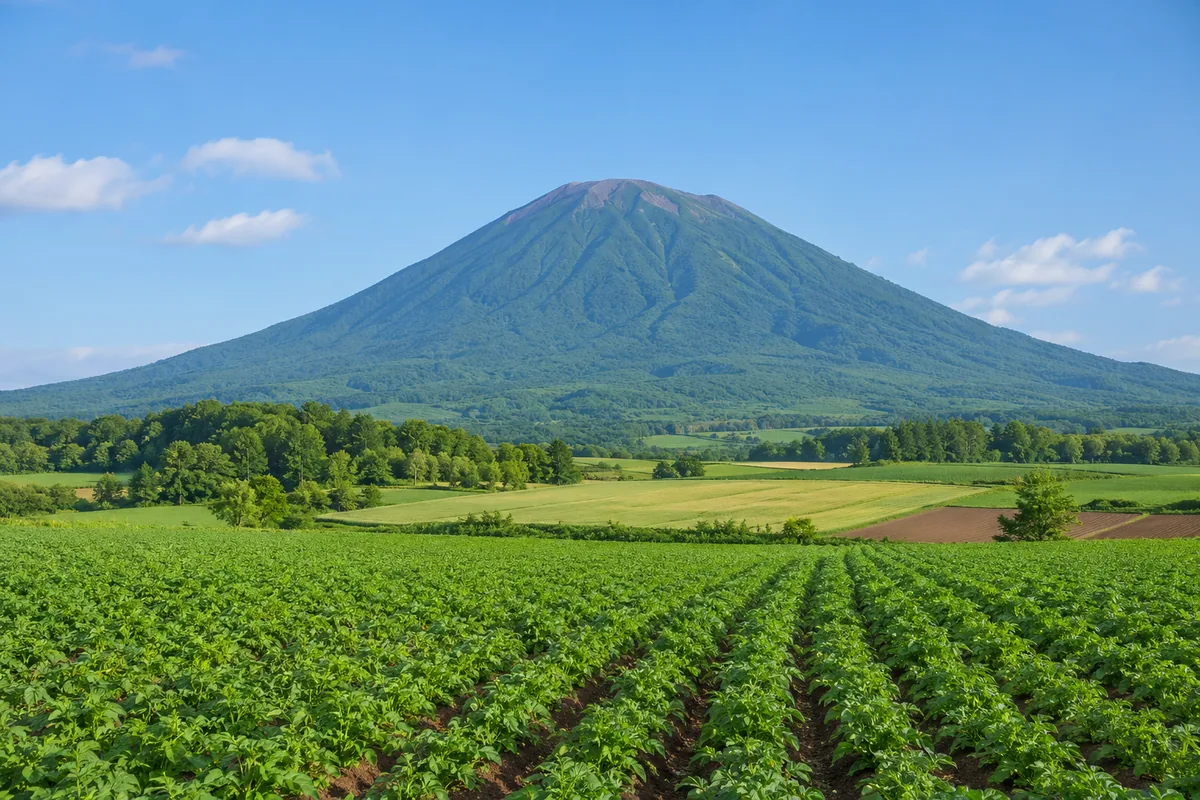
- Golf — resort courses around Hanazono and Niseko Village operate through the green season, with Mt Yotei as the backdrop.
- Mountains — hiking on Mt Niseko Annupuri and Mt Yotei (a 1,898 m stratovolcano, one of Japan's 100 famous mountains), cycling, and a growing programme of summer events and wellness facilities.
- Food — Niseko Town and Kutchan sit in serious farming country; summer and autumn are when the local produce that supplies the resort restaurants is actually harvested.
The visitor data shows the direction of travel: total arrivals reached 3.2 million in 2024/25, and C9 Hotelworks notes an August spike in 2025 driven by Japan's Obon holidays as evidence of latent non-ski demand. Summer visitors skew more domestic and regional-Asian than the winter crowd. For a buyer, the green season is currently a lifestyle dividend and a modest rental supplement — not a second peak — and this site will keep describing it that way until the occupancy data says otherwise.
Source: C9 Hotelworks "Niseko Tourism & Property Market Review 2025/2026" (visitor arrivals, seasonality commentary); Niseko United. Checked 19 November 2026.