
Japanese sacred decor, explained properly
The objects of Japanese shrines and temples have become garden and interior decor worldwide. This section introduces the genuine craft versions — and explains, honestly, what each object means and how it is treated in Japan.
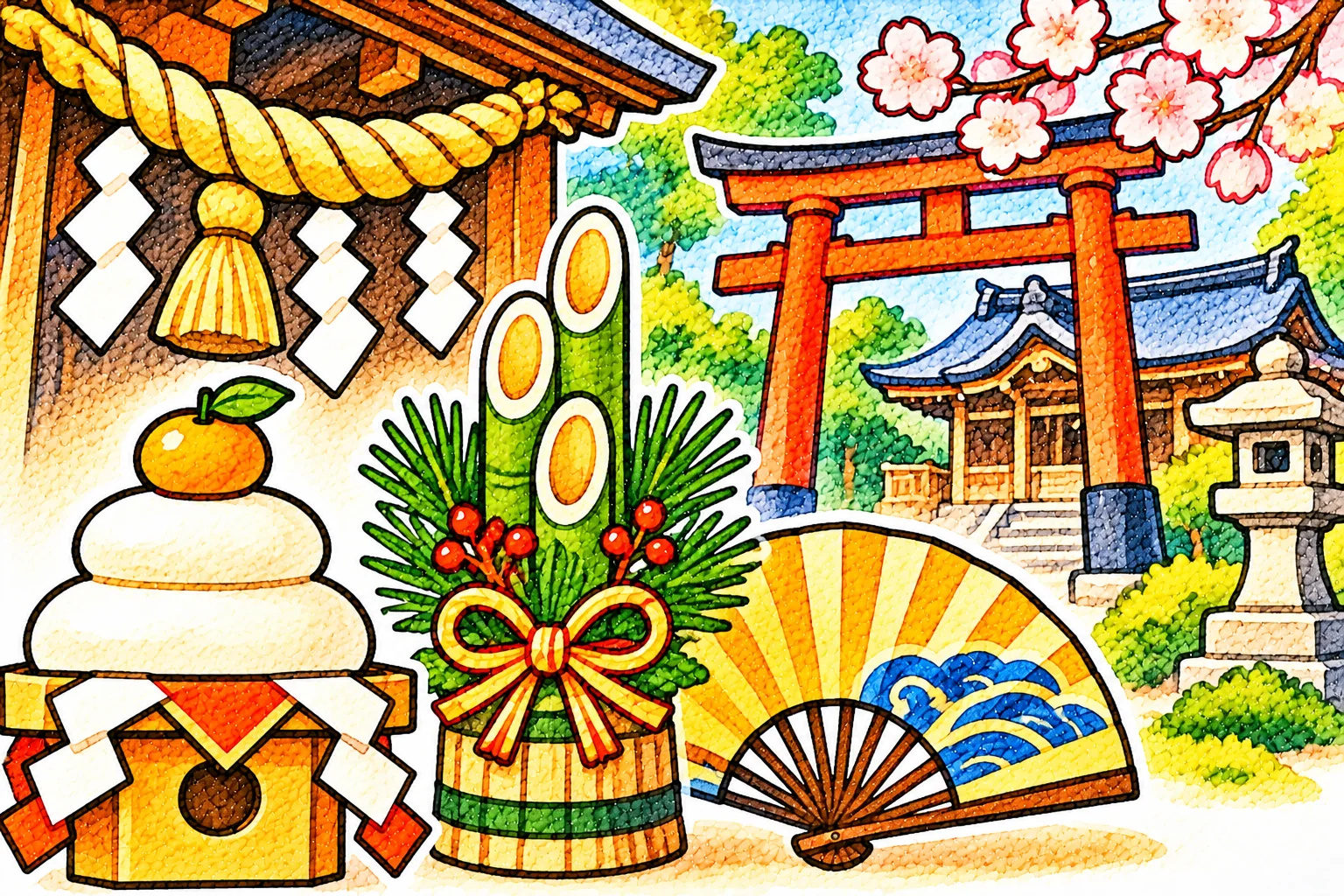
What this section is
Objects that stand in Japanese shrines and temples — stone lanterns, household shrine shelves, wind chimes, incense, hanging scrolls — are bought all over the world as garden ornaments, meditation-space decor and gifts. On Etsy alone, searches such as "kamidana" and "japanese torii shrine gate" return thousands of listings (checked 19 November 2026). This section introduces the real objects, made by Japanese craftspeople, together with what they mean and how they are treated in Japan — because a stone lantern is not just a shape, and a Buddha statue is not just a figure.
We are honest about two things. First, some of these objects are sacred in Japan. Where an item should be received at a shrine rather than bought — the paper talisman (ofuda) and charms (omamori) — we say so and do not link to resale listings. Second, the popular phrase "Zen garden" is itself a Western coinage: scholars note the term was created by Western writers in the early 20th century and has no direct counterpart in Japanese garden tradition. We explain the real history on each page rather than repeating the marketing version.
Japandi: a portmanteau of "Japanese" and "Scandi" (Scandinavian), an interior style mixing Japanese restraint with Scandinavian warmth. Searches for it in the US reached about 27,100 a month in October 2026, up 31% year on year (Rising Trends). Sacred decor: our working term for objects from shrine and temple culture used respectfully as decor. Karesansui: the dry landscape garden — gravel, stone and moss without water — that Western "Zen garden kits" imitate on a desktop scale.
The eight categories
Stone lanterns (tōrō)
Garden lanterns in granite and other stone, in classic forms such as yukimi (snow-viewing) and kasuga. The centrepiece of a Japanese garden corner.
Kamidana (household shrine shelf)
The small wooden shelf-shrine where a household honours the kami. Cypress (hinoki) sets made in Japan are the overseas standard.
Zen garden kits
Desktop trays of sand, rake and stones — a Western miniature of karesansui, sold widely as meditation and desk gifts.
Incense & burners (senkō, kōro)
Japanese incense from houses such as Nippon Kodo, Shoyeido and Baieido, and the burners and bowls used with it.
Wind chimes (fūrin)
Iron chimes from Nanbu and Takaoka, and Edo glass chimes. Their ancestor was the temple wind bell hung to ward off misfortune.
Torii gates
Miniature and garden torii, the gate that marks the entrance to sacred ground. Sizes run from bonsai pots to full garden features.
Hanging scrolls (kakejiku)
Calligraphy and painting on silk or paper, hung in an alcove and changed with the season — Japan's original rotating wall art.
Garden Buddha statues
Buddha, Kannon and Jizō figures for gardens and quiet rooms, introduced with the placement manners that Buddhist cultures ask for.
Before you buy
How a kamidana is kept
Height, direction, offerings of rice, salt and water, and the yearly renewal of the ofuda — from the Association of Shinto Shrines' own guidance.
Placing a Buddha statue
Why Buddhist organisations ask that statues not be treated as mere decoration, and the simple manners that answer that request.
Buying guide
Etsy, eBay, Amazon and ZenMarket compared: which suits handmade, vintage, mass-market and Japan-only craft, plus shipping and customs notes.
Sources: Etsy marketplace category counts and Amazon US product ranges (marketplace pages, November 2026); Rising Trends, "Interior Design Trends" (Japandi search volume, October 2026); Wikipedia, "Karesansui" (on the Western origin of the term "Zen garden") (checked 19 November 2026).